Kern Canyon • Bakersfield, California

A World Class Trail
at Your Doorstep

Pioneering a world class trail system for the lower Kern Canyon — spectacular wilderness just 15 minutes from downtown Bakersfield.

Explore

"Never doubt that a small group of thoughtful, committed citizens can change the world."

Kern Canyon aerial view

About the Trail

15 Miles of Spectacular Canyon — Waiting to Be Walked

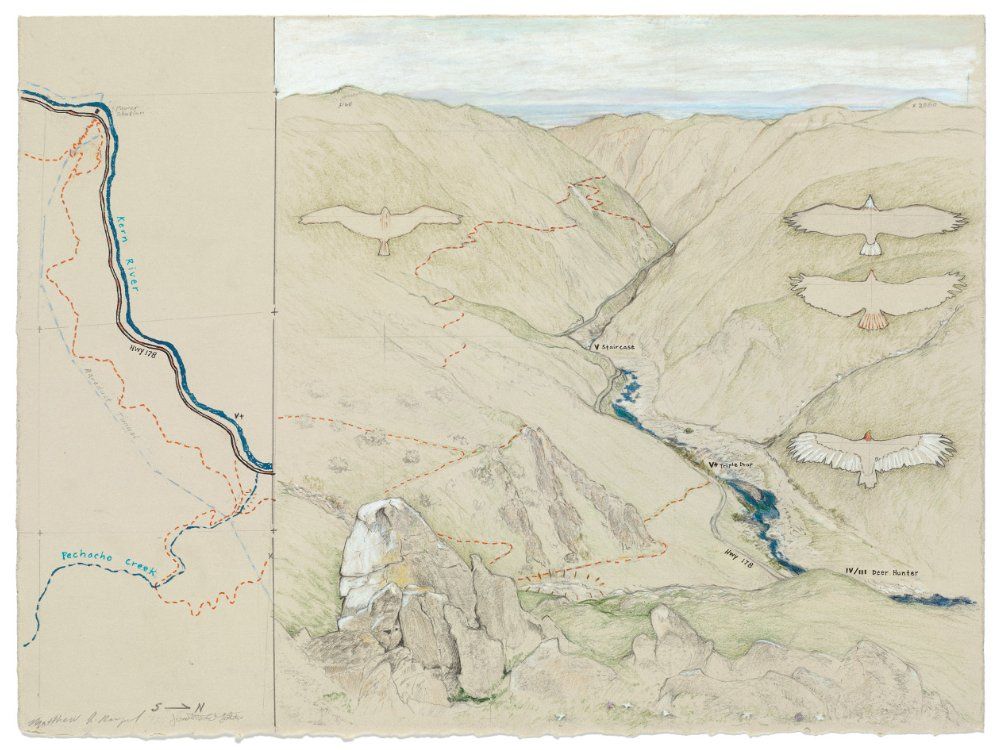
The Kern Gateway Trail is a proposed network of trails on the south side of the Kern Canyon, from the canyon mouth to Democrat Dam. Hundreds of feet above the river, hikers experience the raw beauty of this great California waterway as it cuts through the Southern Sierra Nevada.

If fully built and linked, the trail would create over 15 miles of world-class hiking — giving recreational access to spectacular terrain that today can only be seen from a car window.

15+
Miles of Trail
15
Min from Downtown Bakersfield

This Canyon Belongs
to All of Us

Raging rapids, tranquil pools, wildflowers, towering canyon walls, oak-studded grasslands — the Kern is one of California's most spectacular natural assets. It's time Bakersfield residents could actually hike it.

Why This Trail Matters

Why It Matters

An Amenity with Many Benefits

The Kern Canyon holds national park-level scenery just 15 minutes from Bakersfield — yet it remains largely inaccessible on foot. The Kern Gateway Trail would change that, delivering lasting benefits across health, economy, equity, and conservation for all of Kern County.

🏃

Health & Wellbeing

Access to exercise and the outdoors improves both physical and mental health. Time in nature reduces stress, anxiety, and depression. The Kern Canyon offers national park-level scenery just 15 minutes from downtown Bakersfield — yet it remains largely inaccessible on foot. This trail changes that for over 400,000 Central Valley residents.

📈

Tourism & Local Economy

Outdoor recreation trails drive visitor spending and economic development. If completed, the Kern Gateway Trail would be one of the top outdoor attractions in Kern County — drawing visitors from across California and beyond, supporting local businesses in Bakersfield and the Kern River Valley with new tourism revenue.

🌿

Equity & Access

Bakersfield and the Southern San Joaquin Valley are among the most economically disadvantaged regions in California, with limited access to the outdoor recreation amenities that wealthier communities take for granted. The Kern Canyon offers national park-level scenery just minutes away — yet it remains largely inaccessible on foot. This trail would open world-class natural landscapes to people of all ages, backgrounds, and income levels, making the outdoors genuinely accessible to the whole community.

🦅

Wildlife & Habitat

The lower Kern Canyon is habitat for bald eagles, the occasional California condor, peregrine falcons, mule deer, coyotes, bobcats, and a rich diversity of native plant communities. A well-designed trail system supports conservation by bringing community stewards into direct relationship with this landscape.

🏛

Cultural & Tribal Heritage

The Kern Canyon has been home to Indigenous peoples for thousands of years and bears the marks of California's industrial history — from Yokuts settlements to convict labor road camps. The trail creates space for education, reflection, and connection to this layered history.

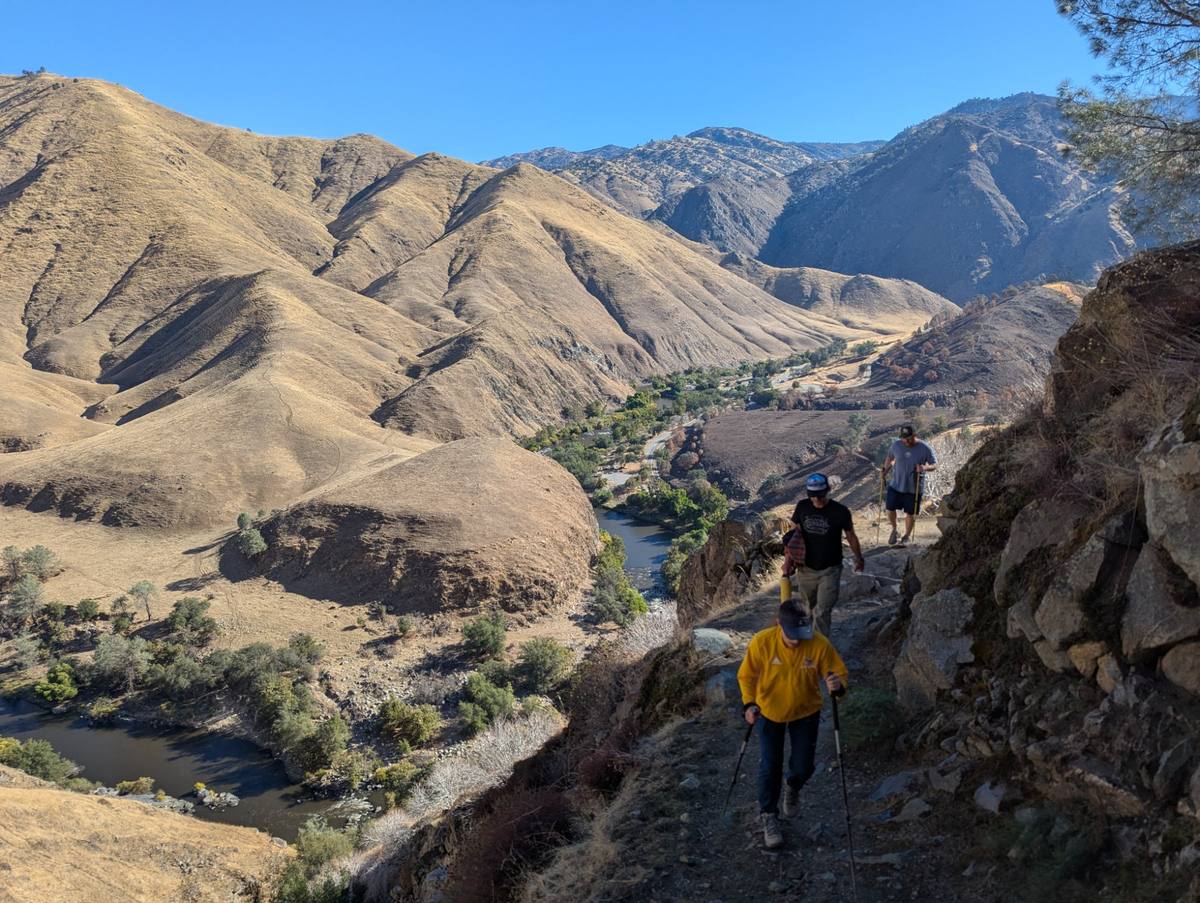
Hikers on the Kern Gateway Trail
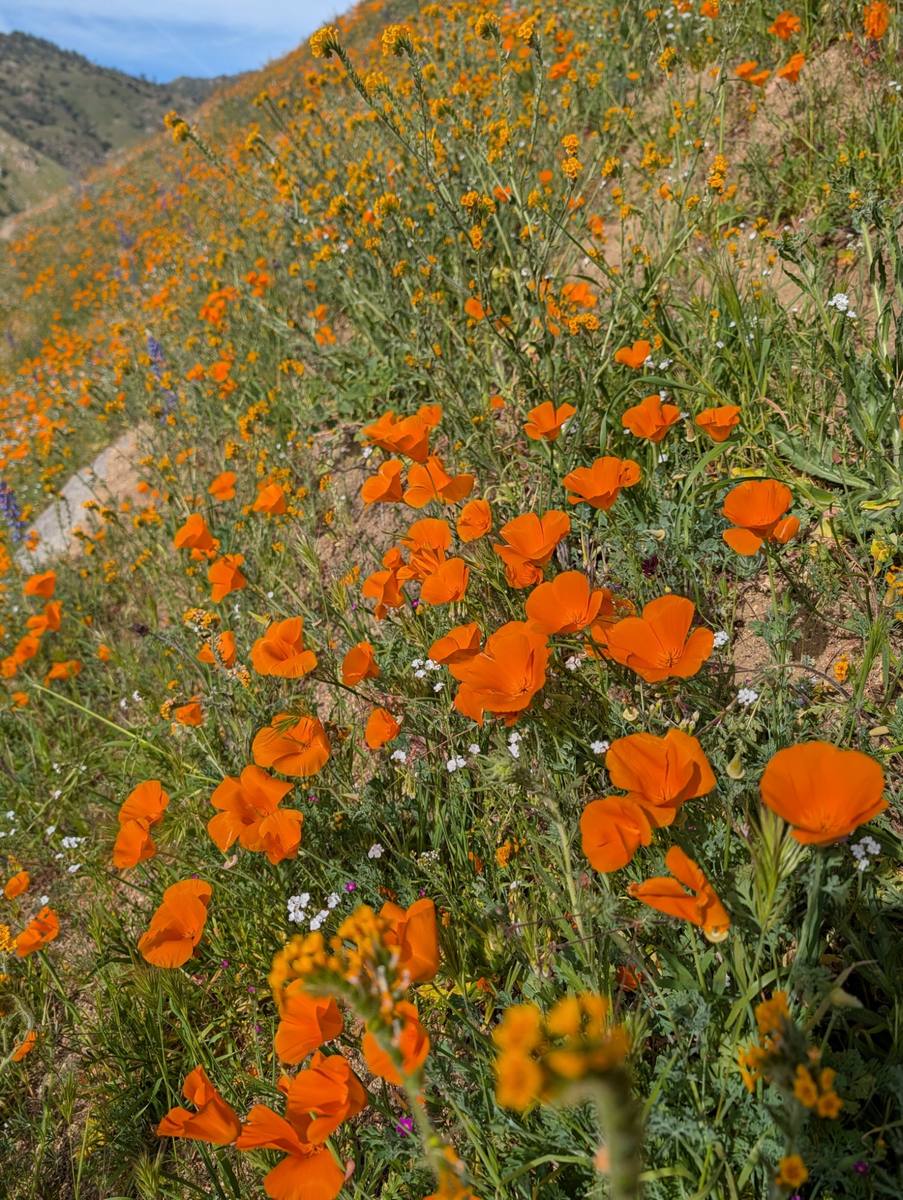
California poppies in the Kern Canyon
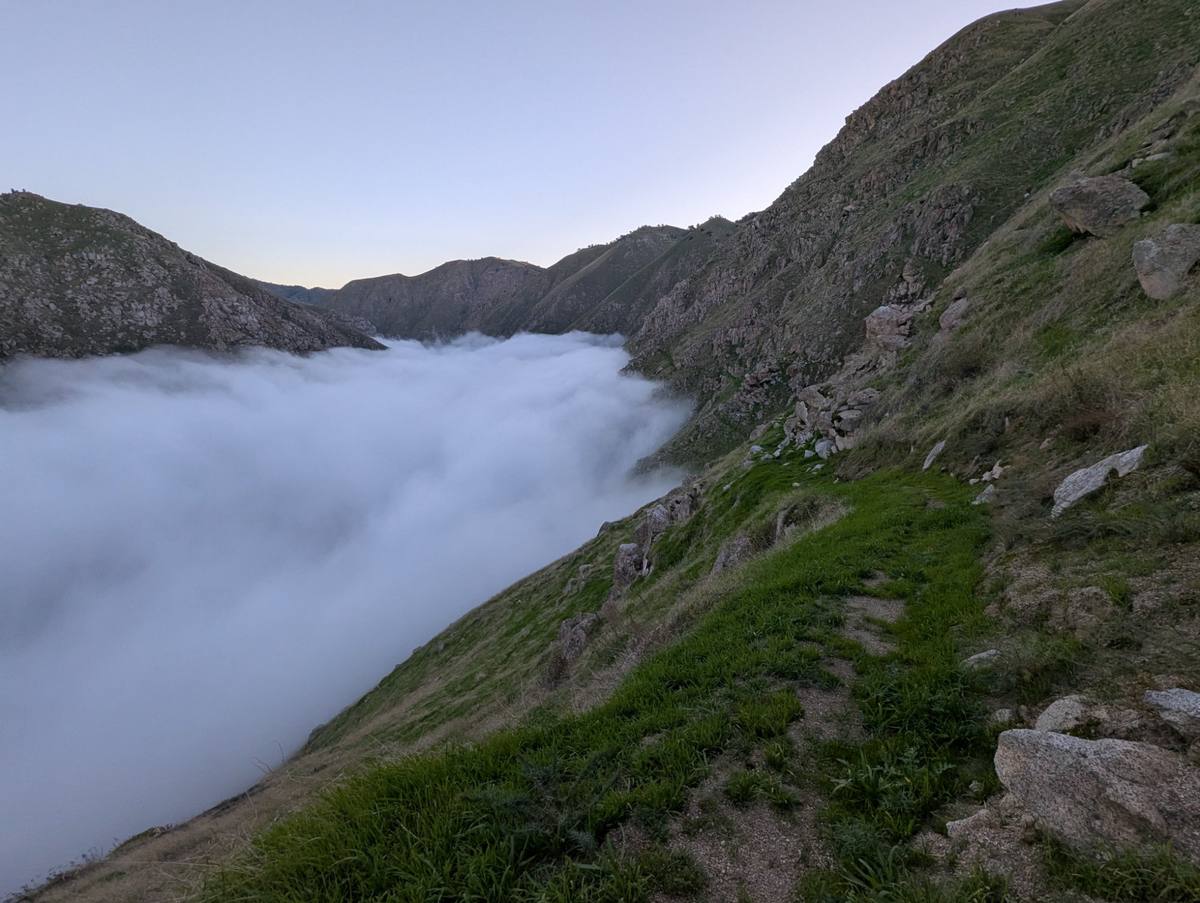
Fog filling the Kern Canyon

The Trail Today

An Extraordinary Place, Waiting to Be Unlocked

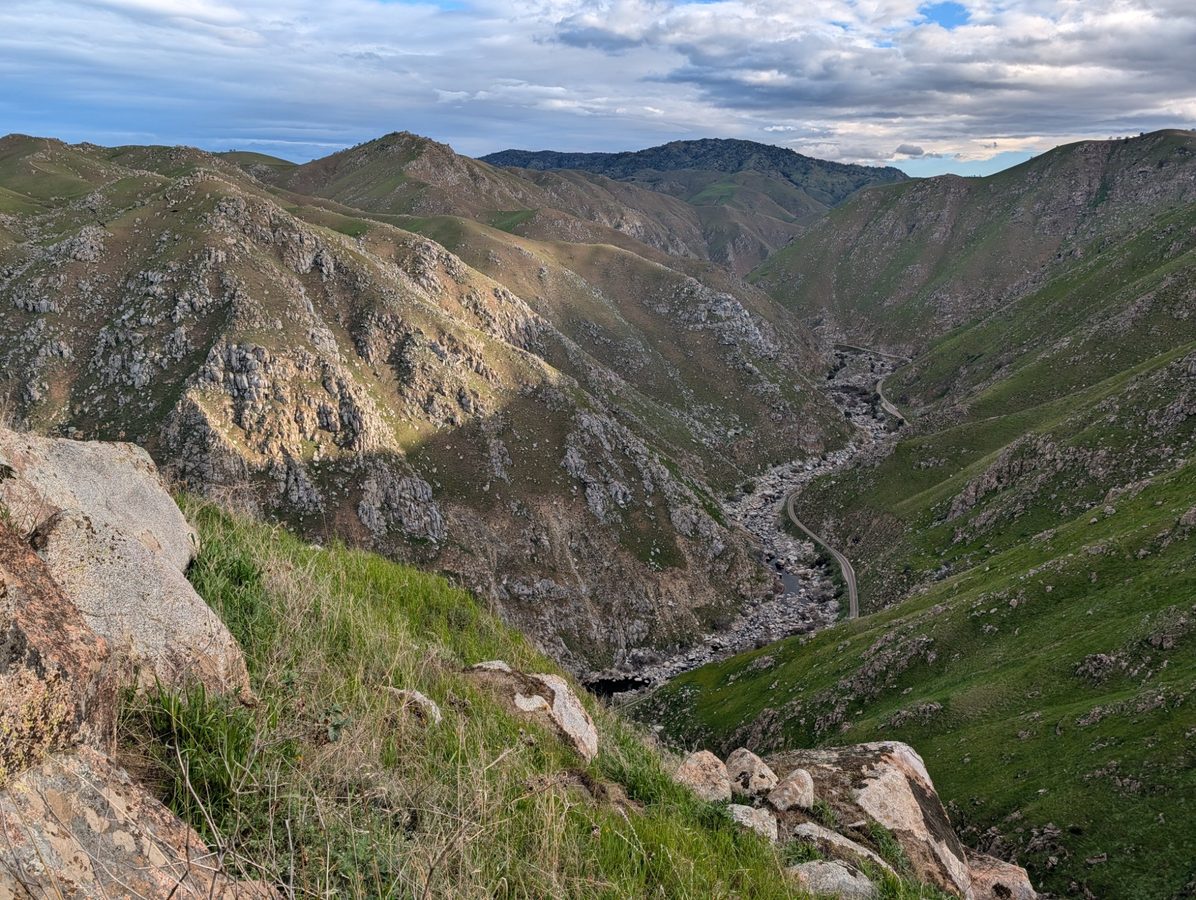
The Kern Canyon is one of California's most spectacular landscapes — a deep granite gorge carved by the Kern River through the Southern Sierra Nevada, blanketed in wildflowers each spring, alive with raptors year-round. Yet it remains largely inaccessible on foot. Here's why that needs to change.

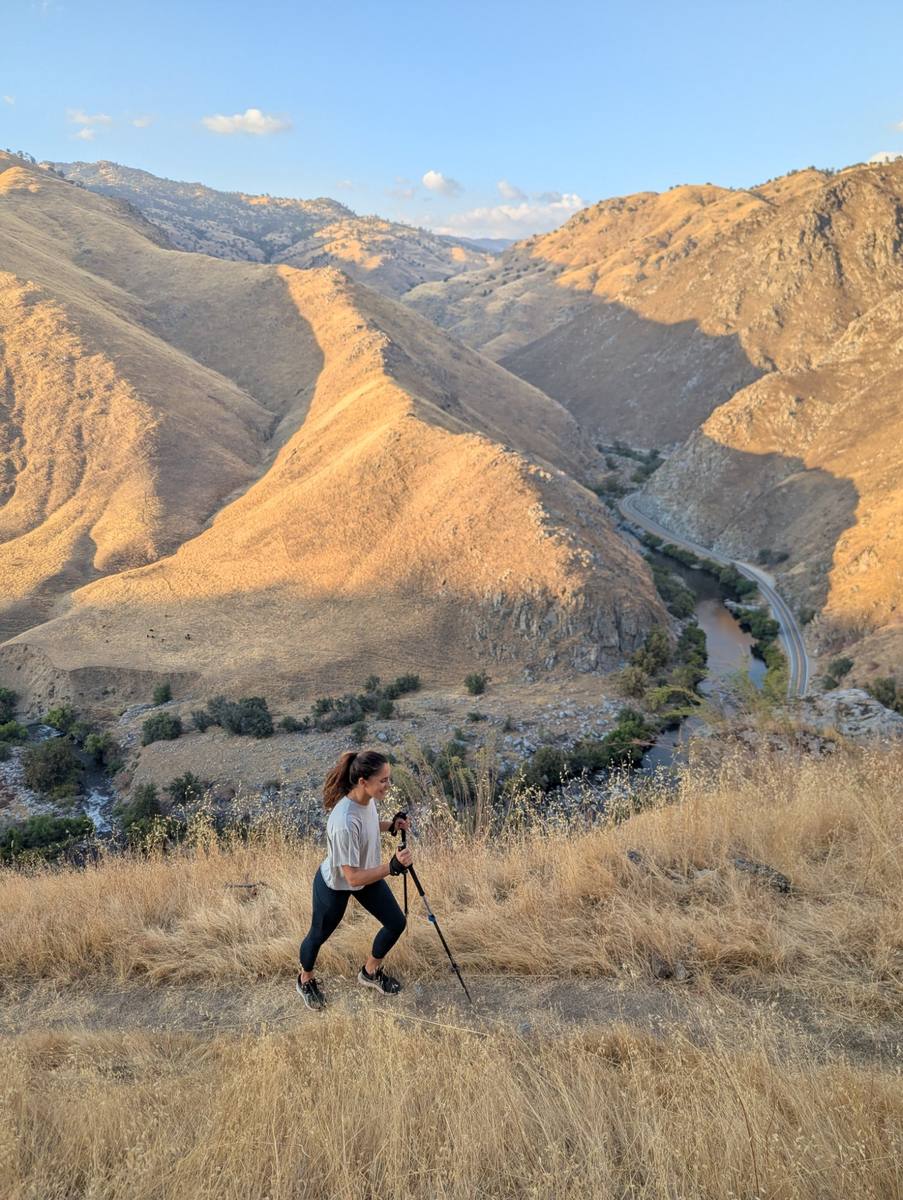
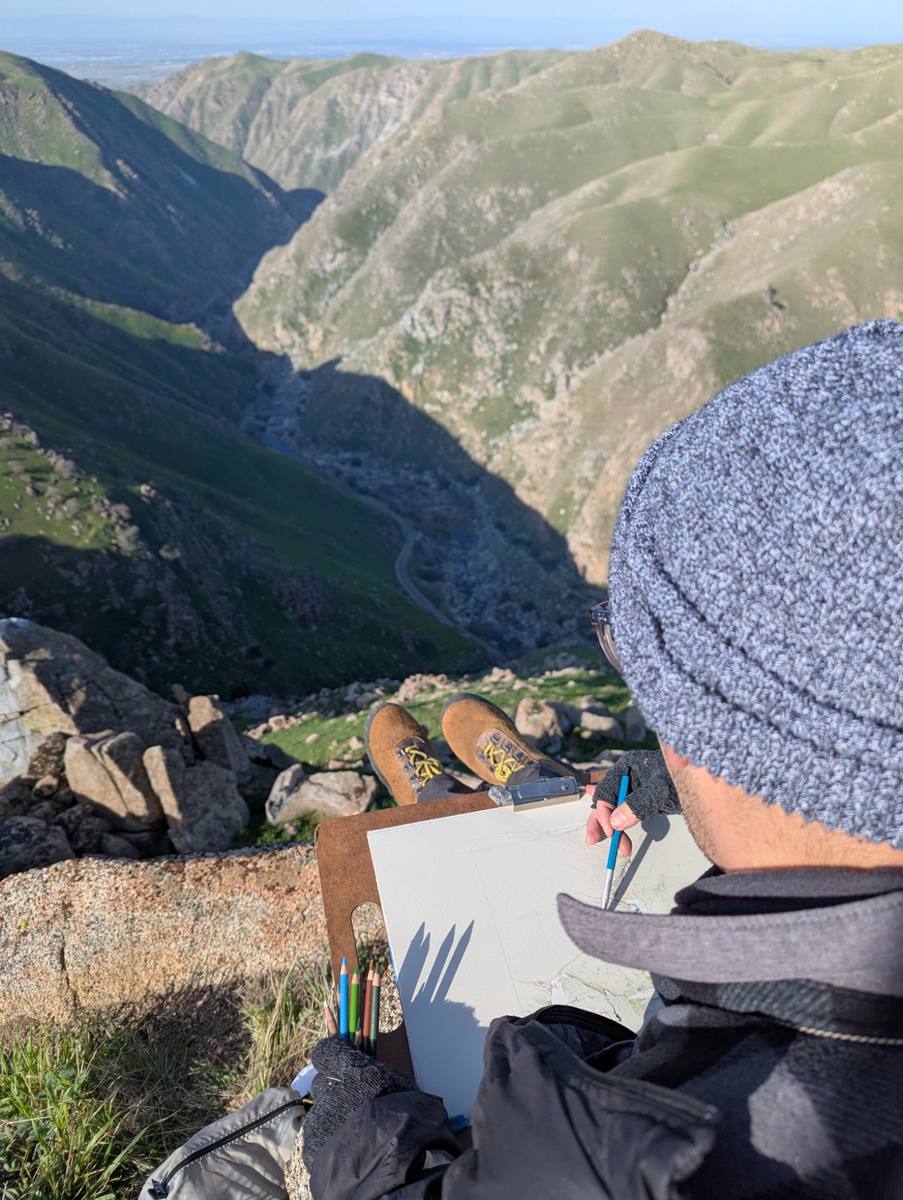
Hiker overlooking the Kern Canyon and Highway 178

Public Land, Open to Hike

Much of the proposed trail corridor runs through Sequoia National Forest — public land that anyone has the right to explore. Informal trails already exist in sections, created over decades by utility workers, cattle, and dedicated locals who know this canyon's secrets.

These existing routes offer glimpses of what the full trail could be: sweeping views of the Kern River hundreds of feet below, wildflower hillsides in spring, and dramatic canyon walls that rival anything in a national park.

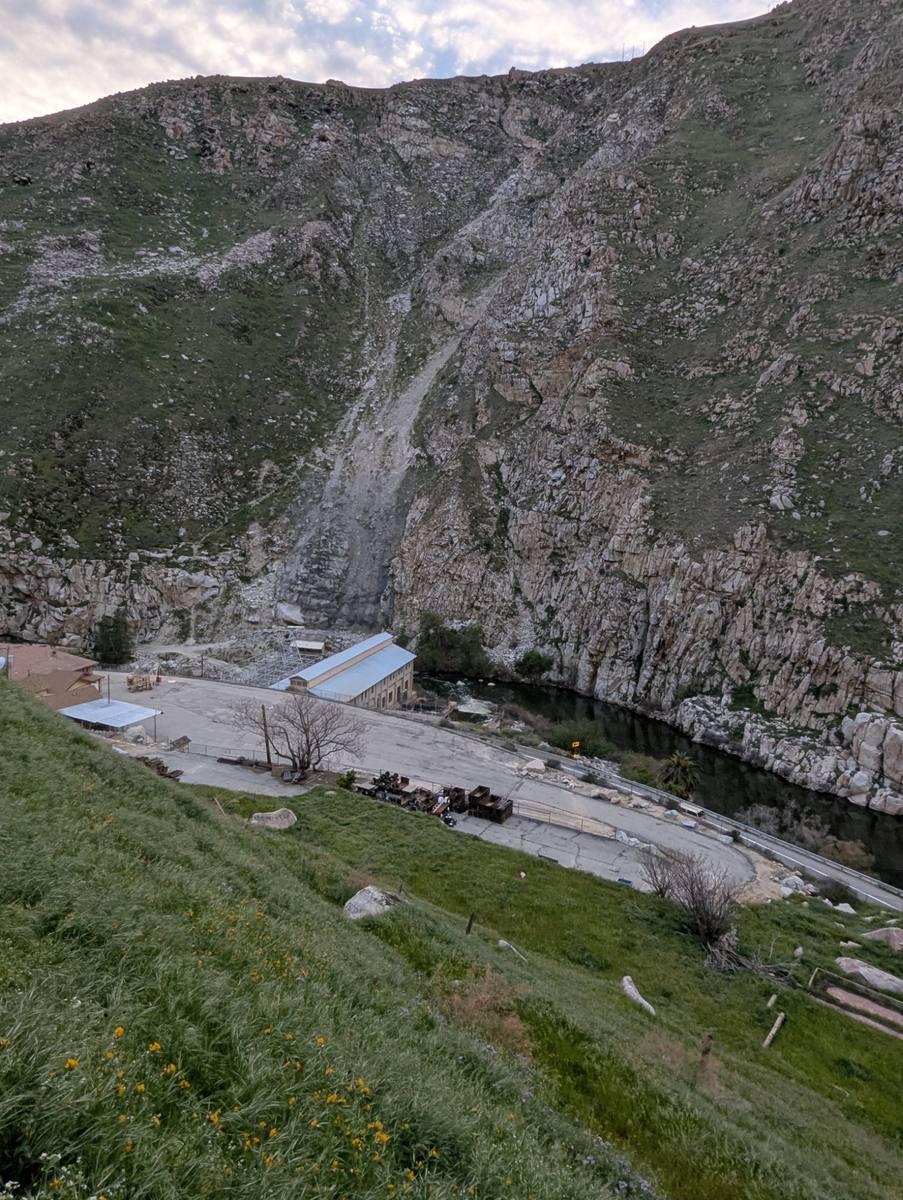
The KR1 Power Station viewed from the proposed trail above — the powerhouse trail runs along this hillside

A Legacy of the Kern River No. 1 Hydro Project

The most intact trail segments follow the historic Kern River No. 1 (KR1) hydroelectric project, operated by Southern California Edison since 1907. Edison built and maintained trail infrastructure — to service their facilities along the canyon wall. Much of what is now proposed as the Kern Gateway Trail is locally known as the "Powerhouse Trail" — a roughly 10-mile segment running from near Cow Flat Creek to the KR1 Power Station, named for the station at the trail's downstream end. Our goal is to improve this trail, create better access points, and extend it all the way from the canyon mouth to Democrat Dam.

These paths are well-engineered and in many places easily walkable. But they were built for utility workers, not the public — and access, signage, parking, and facilities are essentially nonexistent.

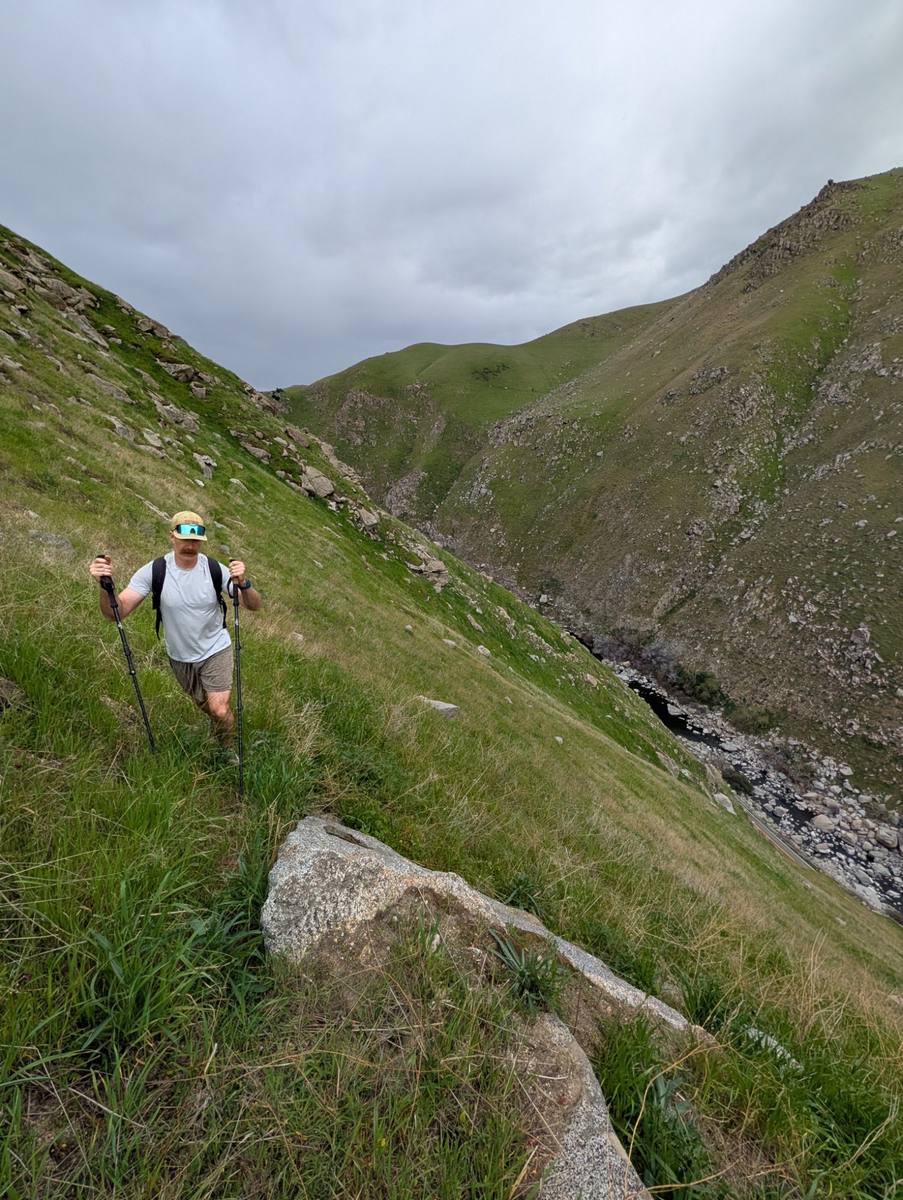
Hiker climbing steep trail above the Kern River

Hikeable Today — But Not for Everyone

The honest truth: some sections of the existing trail are well-maintained and suitable for any reasonably fit hiker. Others are rugged, unmarked, and demand experience and route-finding ability. Without formal trail infrastructure, the canyon remains the domain of adventurous locals — not the broader public.

What's missing are modern trail amenities: marked trailheads, parking, pit toilets, wayfinding signage, maintained tread, and safe access points. That's exactly what the Kern Gateway Trail project aims to deliver.

Layers of History

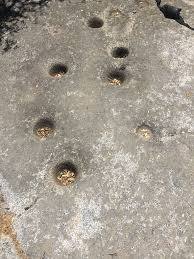
Bedrock mortar grinding stone along the Kern River

There are many archaeological sites along the Kern River Valley. Some contain bedrock mortars like these — grinding stones used by Yokuts and other Indigenous peoples for thousands of years to process acorns, a staple food. The canyon has been home to Indigenous communities since time immemorial.

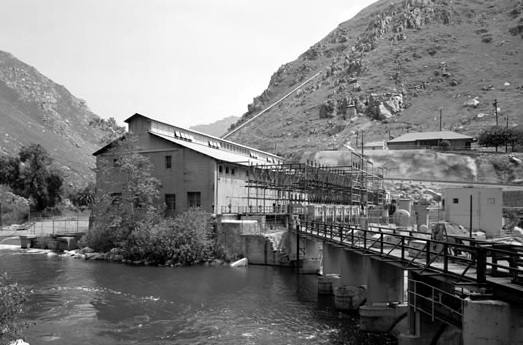
Kern River No. 1 Power Station, historic photograph

The Kern River No. 1 Power Station, completed in 1907 as the largest hydroelectric plant in the world. Power lines carried electricity all the way to Los Angeles to power the city's streetcar system — an extraordinary feat of engineering running straight through this canyon.

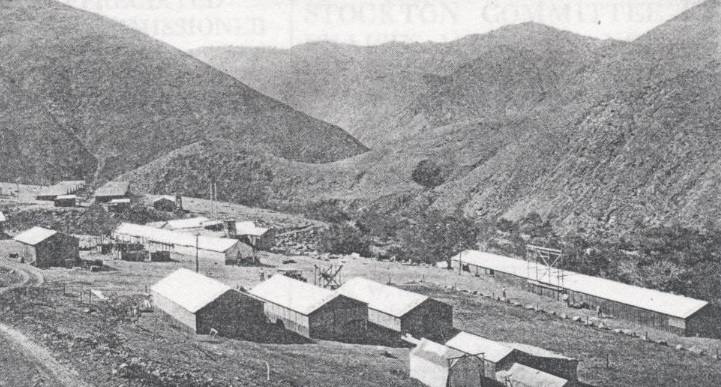
Historic Folsom Labor Camp at Stark Creek

The Folsom Labor Camp at Stark Creek, where convict labor crews built Highway 178 in the early 1900s. This site is proposed as a future trailhead.

A Canyon Shaped by Time

The Kern Canyon has been a place of human activity for thousands of years. Long before European contact, Yokuts and other Indigenous peoples traveled its banks, fished its waters, hunted its slopes, and built their lives along the river — leaving behind grinding stones, village sites, and a deep cultural connection to this landscape that continues today.

In 1853, gold rush–era explorers pushed into the southern Sierra Nevada seeking routes to the Kern River Valley's fertile lands and mineral wealth. They crossed ridges above the canyon rather than through it — the gorge was too steep and rugged for wagons or easy travel. The canyon itself remained largely bypassed by white settlement for decades.

That changed in the early 20th century. In 1907, Southern California Edison completed the Kern River No. 1 hydroelectric project — at the time, the largest hydroelectric plant in the world — harnessing the river's energy to power Los Angeles's growing streetcar system. Then came Highway 178, blasted through the canyon walls to connect Bakersfield to the Kern River Valley, transforming a near-impassable gorge into a commuter corridor. The canyon that Indigenous peoples had called home for millennia was now a power corridor and a highway — but never a place to stop and explore on foot.

A Once-in-a-Generation Opportunity

The FERC Relicensing Process

Southern California Edison's Kern River No. 1 (KR1) hydroelectric project is currently undergoing relicensing through the Federal Energy Regulatory Commission (FERC) — a mandatory review process that happens every 30–50 years when a major hydro project's operating license comes up for renewal.

This relicensing is a once-in-a-generation opportunity to negotiate meaningful improvements to public access and recreation along the KR1 corridor. As part of the FERC process, Edison must consult with stakeholders — including the public, tribal nations, government agencies, and recreation advocates — about the project's impacts and mitigation measures.

The Kern Gateway Trail team is actively engaged in this process, advocating for trail improvements, trailhead facilities, and public access as conditions of the new license. Depending on the level of public engagement and FERC's analysis of the need for a trail, Edison could be required to help fund and maintain trail infrastructure as part of their new license conditions. This is a reasonable mitigation to request: the KR1 project dewaters a significant section of the Kern River for power generation, and has done so for over a century. As Edison seeks another 30–50 year license, requiring meaningful investment in public trail access is a proportionate and well-precedented condition — one that FERC has imposed on hydro operators at other projects across the country.

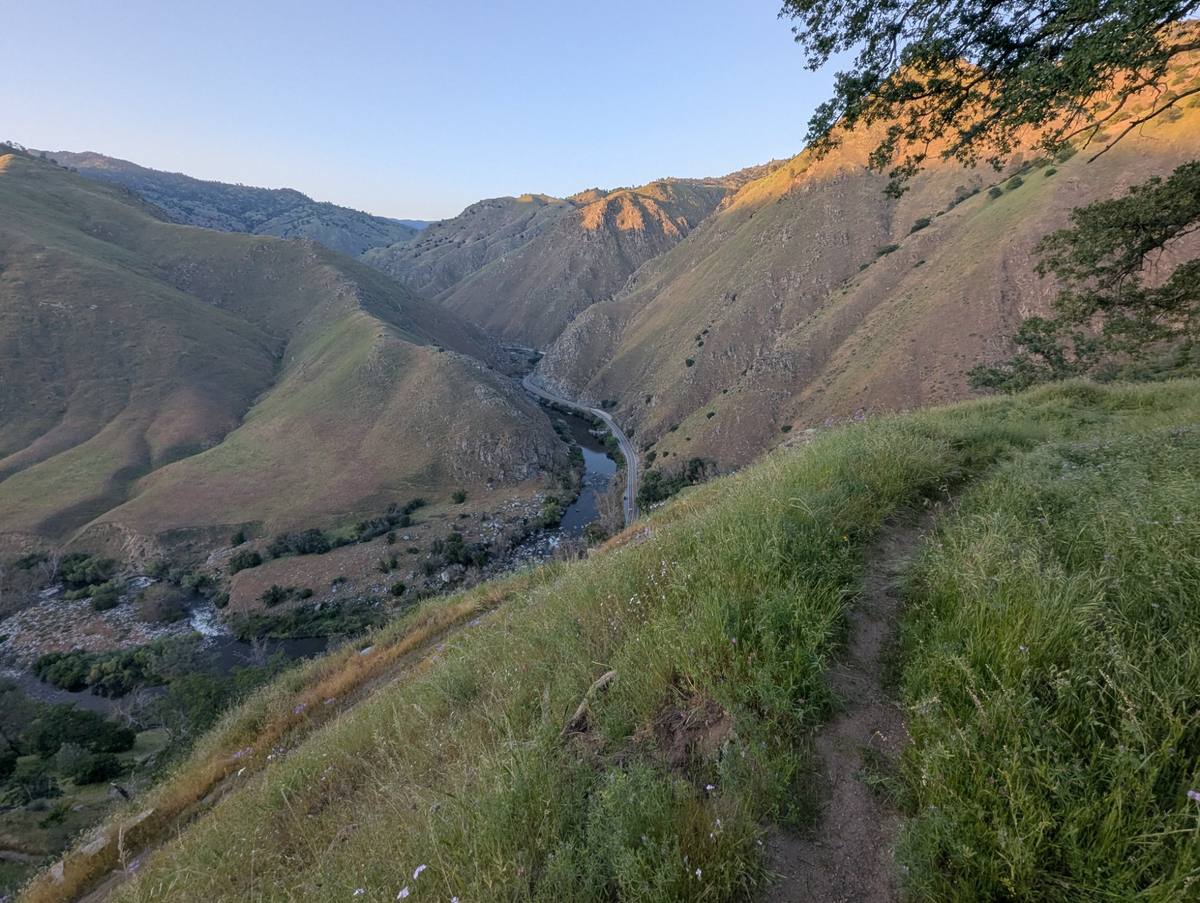
The Kern Canyon and Highway 178 — the KR1 project corridor

The KR1 project corridor — Highway 178 and the Kern River below the proposed trail.

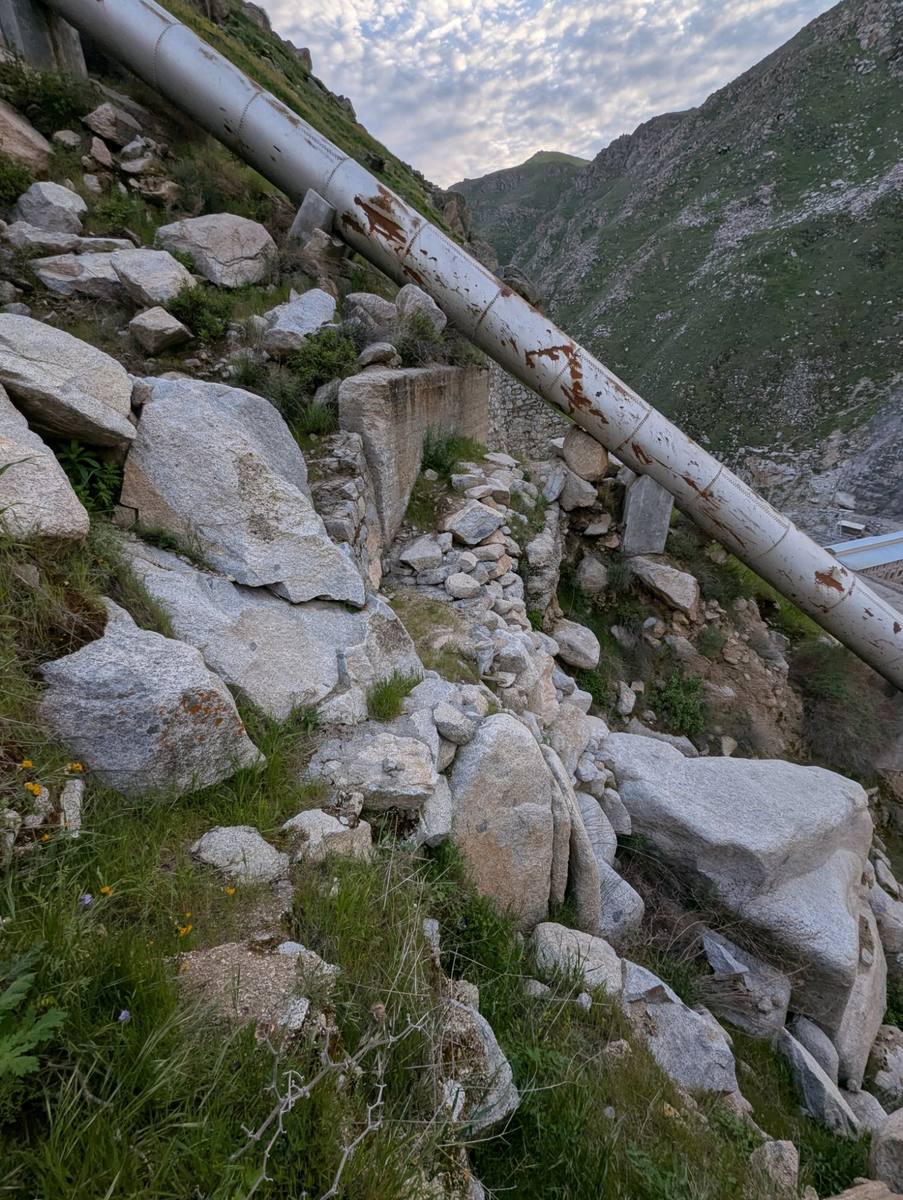
The historic KR1 penstock and spillway trail

The KR1 penstock trail — historic utility infrastructure that forms one of the trail corridor's key segments.

Join the Effort

Get Involved

The Kern Gateway Trail is a community project. We're building support across elected officials, the County and City of Bakersfield, nonprofits, tribal organizations, businesses, and outdoor enthusiasts. Whether you want to hike, advocate, donate, or simply share your perspective — we want to hear from you.

📋

Provide Input

Share your thoughts on the trail — your experience in the canyon, what you'd like to see, or concerns you have. Community input shapes the feasibility study and design process.

🤝

Organizational Partners

We're seeking support from elected officials, agencies, nonprofits, tribal organizations, and businesses. Reach out to discuss how your organization can be part of this effort.

💰

Grant & Funding Support

We're pursuing grant funding for the trail feasibility study, design, and NEPA review. If you can help connect us with funding opportunities or want to discuss philanthropic support, please reach out.

📰

Media & Press

Journalists, filmmakers, and photographers are welcome. Contact us to arrange a guided hike or interview about the project.

Stay Connected

Be the First to Know

Get trail updates, event invitations, and action alerts. We'll never spam you — just the news that matters.

Add your voice. Sign the petition to build the Kern Gateway Trail.

Sign the Petition →

Get Involved

Upcoming Events

View all events →

Loading upcoming events...

In the News

Press & Coverage

Follow the Journey

@kerngatewaytrail

Follow us on Instagram for trail updates, canyon photography, and community news.

Follow @kerngatewaytrail on Instagram →